

Coastal Property Balustrade Specialists
Waterfront and elevated coastal properties need balustrade installation that accounts for extreme conditions. We understand Central Coast weather patterns – the salt-laden winds, intense UV exposure, and storm events that test every fixing point and material choice. Standard suburban installation methods don’t cut it when you’re dealing with oceanfront exposure.
Our experience across Terrigal, Avoca Beach, Copacabana and coastal Gosford areas means we know which materials actually perform long-term in marine environments. We’ve seen what fails and why – cheap powder coating that blisters within two years, incorrect stainless steel grades that rust anyway, inadequate wind load calculations that lead to structural movement.
Handrail and balustrade systems for coastal properties require marine-grade specifications throughout. Post embedment depths increase for wind resistance. Fixing methods account for timber movement in humidity changes. Glass thickness calculations factor in regular wind gusts that inland properties never experience. We engineer each installation for the specific exposure level your property faces, not generic standards that assume protected suburban conditions. Coastal expertise prevents the expensive failures that come from treating beachside properties like they’re inland.

Modern Balustrade Design
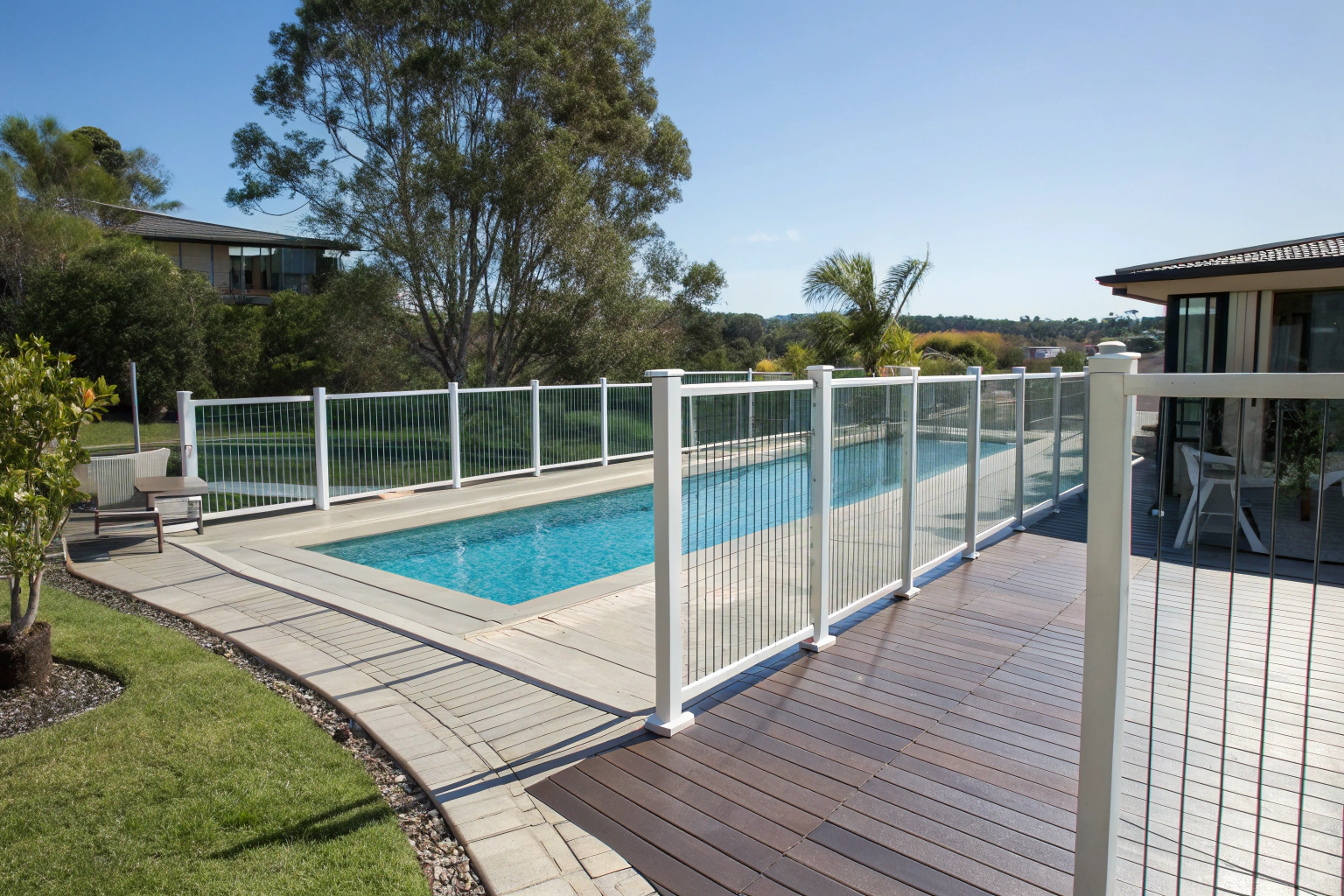
Frameless glass balustrades dominate modern coastal architecture. Uninterrupted transparency maximises ocean and bushland views while meeting safety requirements. Toughened glass panels with minimal hardware create clean lines suited to contemporary Central Coast properties.
Wire cable systems deliver industrial-modern aesthetics with barely-there visual presence. Horizontal stainless steel cables tensioned between slim posts keep sightlines open. This style works well for multi-level decks where maintaining visual flow matters.
Mixed material designs combine timber top rails with glass or wire infill. You get natural timber warmth where hands touch the handrail while keeping views clear through modern infill materials. Powder-coated black aluminium posts with timber rails create a striking contrast.
Minimalist balustrade installation focuses on reducing visual bulk. Slim profile posts, hidden fixings, and monochromatic colours let your deck’s setting become the feature. Glass with stainless steel stands out less than chunky timber while providing equal safety compliance.

Material Selection for Coastal Areas
Central Coast salt air demands corrosion-resistant materials throughout your balustrade installation. Standard galvanised fixings won’t last – marine-grade stainless steel (316 grade) handles the coastal environment properly. Glass needs adequate thickness for wind resistance, typically 10-12mm toughened safety glass, depending on panel size and exposure.
Timber requires proper treatment for moisture and salt resistance. Not all treated pine suits coastal installations – check the hazard level rating matches marine exposure conditions. Hardwoods like spotted gum naturally resist decay but still need regular maintenance.
Powder-coated aluminium performs well if the coating quality is high. Cheaper powder coating fails quickly in salt air. Marine-grade specifications for all metal components prevent the rust staining and structural deterioration common with substandard materials. Long-term durability depends on choosing materials specifically rated for coastal exposure rather than just standard outdoor use.
Compliance & Safety Standards
Australian Standard AS 1170 sets structural design requirements, including wind load calculations for your specific location. Central Coast wind region classifications affect engineering specifications for balustrade installation.
Building Code of Australia defines minimum heights, baluster spacing, and loading requirements. Any deck or balcony over 1 meter high needs compliant balustrades. The 1000mm height measurement runs from the finished floor level, not the structural framing.
Baluster spacing regulations specify 125mm maximum gaps between vertical elements. This prevents children from squeezing through and applies to all infill types – traditional balusters, horizontal rails, or wire systems.
Handrail specifications cover diameter, shape, and mounting height for comfortable gripping. Load testing standards ensure your balustrade handles horizontal loads from people leaning, vertical loads, and combined scenarios.
Central Coast Council building codes add local requirements on top of state regulations. Getting council approval before installation prevents expensive rework. Professional installers handle certification documentation and coordinate inspections so your handrail installation passes compliance checks the first time.
Unobstructed Views with Frameless Glass
Frameless glass balustrades eliminate visual barriers between your deck and the surroundings. No posts interrupting sightlines, no rails cutting across your ocean or bushland views – just clear safety barriers that practically disappear. That’s the main reason glass balustrade installation has become so popular on Central Coast properties with premium views.
The system uses thick, toughened glass panels mounted with minimal hardware at the base level. Top rails can be glass or slim metal profiles. You get full building code compliance without blocking what you paid good money to see. Multi-level decks benefit even more – each level maintains a visual connection to the landscape instead of creating stacked barriers.
Frameless glass handrail systems suit modern architecture particularly well. The transparency works with contemporary design, while the structural engineering behind it ensures coastal wind resistance and long-term durability.
Frequently Asked Questions
Building Code of Australia requires 1000mm minimum height for any deck or balcony over 1 meter above ground level. That measurement runs from the finished floor surface to the top of the handrail. Central Coast Council enforces these standards during inspections, so getting the height right matters for compliance.
125mm maximum spacing between any vertical or horizontal elements. This prevents children from squeezing through or getting their heads stuck. The regulation applies whether you’re using traditional balusters, wire cables, or any other infill system. Child safety standards are non-negotiable in balustrade installation.
Usually, yes, especially for new installations or complete replacements on elevated decks. Central Coast Council requires building permits for structural work including balustrades. Some minor repairs might not need approval, but any handrail installation that affects structural integrity typically requires permits and inspections.
Marine-grade stainless steel (316 grade) and toughened glass handle coastal conditions best. Properly treated composite materials also perform well. Standard timber needs regular maintenance to survive salt air. Aluminum works if the powder coating is high quality. The fixings matter as much as the visible materials – cheap galvanized hardware fails quickly near the coast.
Properly specified toughened glass handles Central Coast wind loads without problems. The glass thickness, panel size, and fixing methods are engineered for your specific exposure level. We’ve never had a properly installed glass balustrade system fail in normal coastal weather conditions. The engineering calculations account for wind pressure that’s typical in waterfront locations.
