
What Are Privacy Screens Used For?
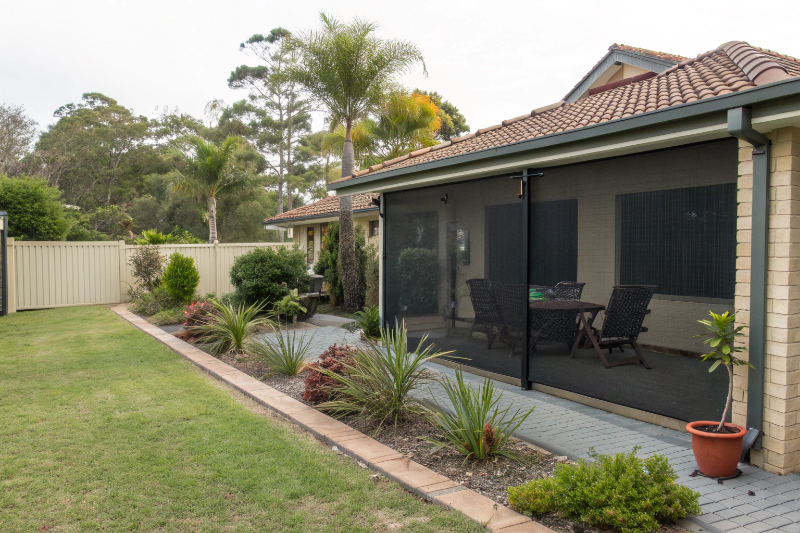
Privacy screens serve multiple practical purposes for Central Coast outdoor spaces:
- Instant Privacy – Block sightlines from neighbours, streets, and overlooking properties so you can relax without feeling exposed
- Wind Protection – Create sheltered zones that make your deck or patio usable even when coastal breezes pick up
- Sun Control – Filter harsh afternoon sun and UV rays while maintaining airflow and natural light.
- Noise Reduction – Buffer street noise, neighbour conversations, and general outdoor sounds for a more peaceful environment
- Space Definition – Separate different outdoor zones like dining areas, spa surrounds, or garden sections
Beyond these primary uses, privacy screens also add architectural interest to blank walls, hide unsightly views like AC units or bins, and provide a backdrop for outdoor furniture arrangements.

Why Central Coast Homeowners Choose Privacy Screen Installation
Instant Privacy and Seclusion for Outdoor Living: Most Central Coast properties sit close to neighbours. Privacy screens block direct sightlines so you can use your outdoor space without feeling like you’re performing for the street or passing cars.
Wind and Weather Protection in Coastal Environments: Coastal wind makes outdoor living impossible without protection. Properly positioned screens create sheltered zones where you can actually sit outside. We use coastal-grade materials that handle salt spray and UV exposure.
Enhanced Property Value and Street Appeal: Privacy screens signal a functional outdoor space to buyers. Properties with defined, usable outdoor areas consistently sell faster. A well-designed screen adds architectural interest beyond just blocking views.
Defined Outdoor Zones for Better Functionality: Screens let you section outdoor areas into actual rooms. Separate dining from lounging. Create private spa corners. Hide outdoor showers. Without screens, everything blends and limits functionality.
Privacy Screen Types and Design Options
Material Selection for Central Coast Conditions
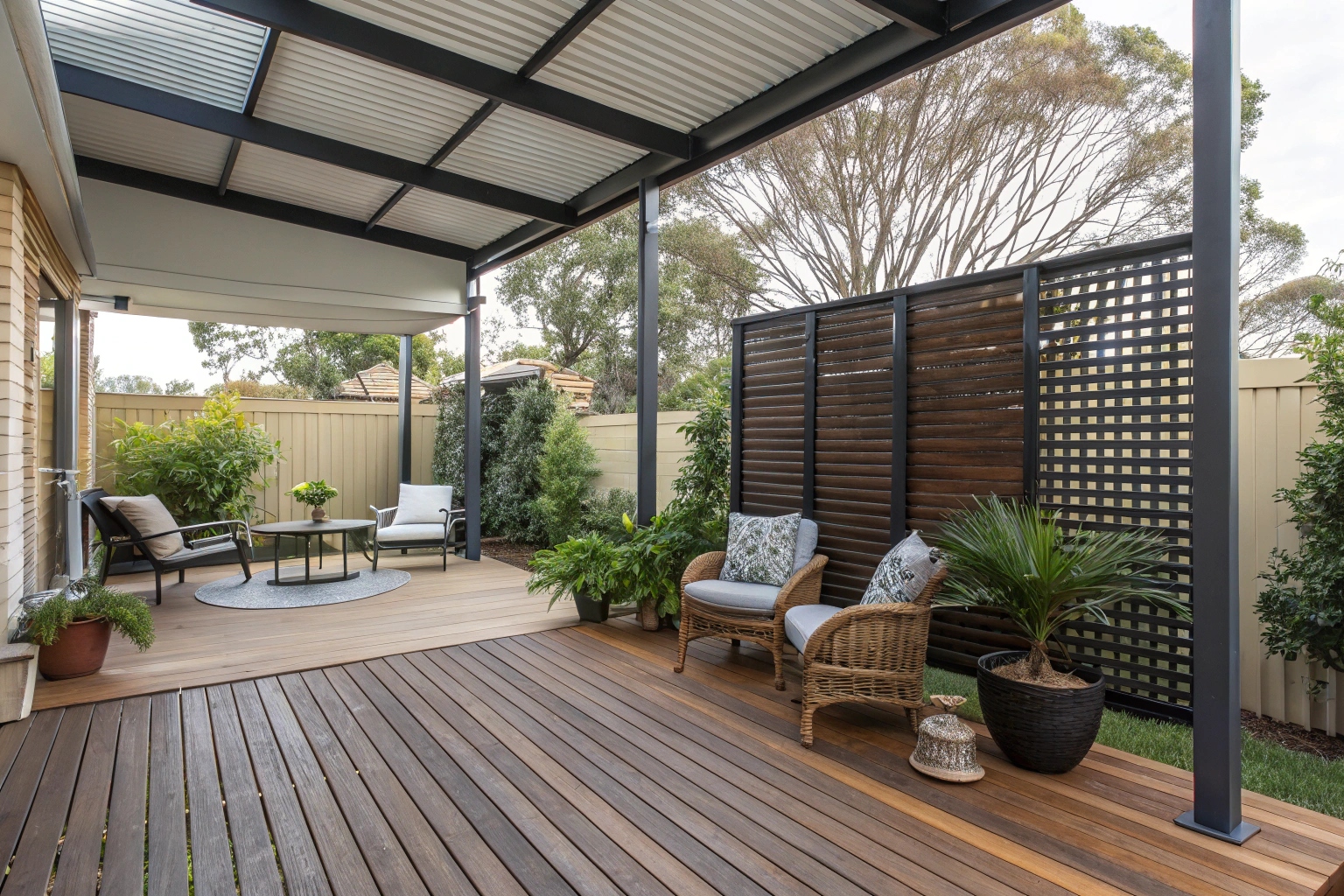
Timber Privacy Screens (Treated Pine, Hardwood, Cedar): Treated pine is budget-friendly but needs maintenance every 12-18 months. Hardwoods handle coastal conditions better. Cedar naturally resists decay but still requires UV protection.
Aluminium and Powder-Coated Metal Options: Aluminium doesn’t rust and handles salt spray with minimal maintenance. Powder coating provides colour options. Slimmer profiles suit modern aesthetics but can amplify wind noise.
Composite and Low-Maintenance Alternatives: Composite combines wood fibre and plastic for a timber look without maintenance. Won’t rot or split. Most brands offer 25+ year warranties against fading.
Choosing Materials for Salt Air and UV Exposure: Central Coast conditions accelerate deterioration through salt spray and UV exposure. Aluminium and composite perform best in the long term. Quality installation matters as much as material selection.
Professional Privacy Screen Installation Process
Site Assessment and Custom Design Consultation: We start with a free on-site visit to measure your space and discuss privacy needs. You’ll see material samples in person and get design recommendations tailored to your property’s layout and exposure.
Structural Installation and Wind-Load Engineering: Central Coast wind loads require proper engineering. We calculate post spacing and footing depth based on screen height and exposure. Posts are concreted or bolted to existing structures with appropriate fasteners for coastal conditions.
Council Compliance and Permit Requirements: Most privacy screens under 2.1 meters don’t need council approval, but regulations vary by location and proximity to boundaries. We’ll tell you upfront if permits are required and handle the paperwork if needed.

Design Strategy and Placement Considerations
Strategic Positioning for Maximum Privacy: Map sightlines from neighbouring windows and streets first. Angled screens often provide better coverage than straight boundary-parallel runs.
Balancing Seclusion with Airflow and Natural Light: Space slats to allow breeze while blocking views. Vary screen heights to maintain sky views and natural light penetration.
Integration with Existing Decks and Outdoor Features: Plan screens with your deck layout, not as afterthoughts. Coordinate placement with furniture zones and outdoor kitchens for cohesive design.
Height Restrictions and Central Coast Council Guidelines: Council typically allows 2.1-meter screens without approval if 900mm from boundaries. Different rules apply for corner and heritage blocks.
Frequently Asked Questions About Privacy Screen Installation
Most privacy screens under 2.1 meters don’t require council approval if they’re at least 900mm from your boundary. Higher screens or those closer to property lines usually need a Complying Development Certificate. Corner blocks and heritage areas have different rules. We’ll assess your specific situation during the free consultation and tell you exactly what’s required.
Depends entirely on the material. Aluminium and composite screens handle Central Coast conditions best – expect 20-25+ years with minimal maintenance. Treated pine typically needs replacing after 10-15 years, even with regular maintenance. Hardwood timber can last 15-20 years if properly maintained. Salt air, UV exposure, and wind loads all affect lifespan, which is why we recommend coastal-grade materials.
Yes, when they’re engineered and installed properly. We calculate wind loads based on your property’s exposure and screen dimensions. Posts are spaced appropriately, and footings are sized for the loads. Cheap screens from hardware stores often fail because they’re not engineered for coastal wind conditions. Professional installation makes the difference between a screen that lasts and one that ends up in your neighbour’s yard.
Aluminium or composite materials require the least maintenance – basically just hosing off salt buildup occasionally. Powder-coated aluminium never needs repainting if quality coating is used. Composite won’t rot, split, or fade significantly. Timber looks great but demands regular oiling or staining, especially in coastal environments where salt accelerates weathering.
Not if designed properly. Spacing between slats controls how much light penetrates while maintaining privacy. Horizontal louvres can be angled to block direct sightlines while allowing overhead light. Screen height variations let light in from above. We’ll show you options during consultation that balance privacy with light penetration based on your property’s orientation.
Get Started with Your Privacy Screen Project Today
Most Central Coast homeowners who contact us wish they’d done it years earlier – that’s what we hear constantly. The difference between an exposed deck you avoid using and a private retreat you actually enjoy is usually just a few days of installation work.
Ready to Transform Your Outdoor Space?
Get Your Free Privacy Screen Quote
📞 Call Now: 0240036404
📧 Email: info@deckingcentralcoast.com.au
📍 Service Areas: Gosford, Terrigal, Avoca Beach, Copacabana, Wamberal, Erina
No obligation. No pushy sales. Just honest advice about what’ll work best for your property.
