
Why Install Shade Structures on Your Central Coast Property
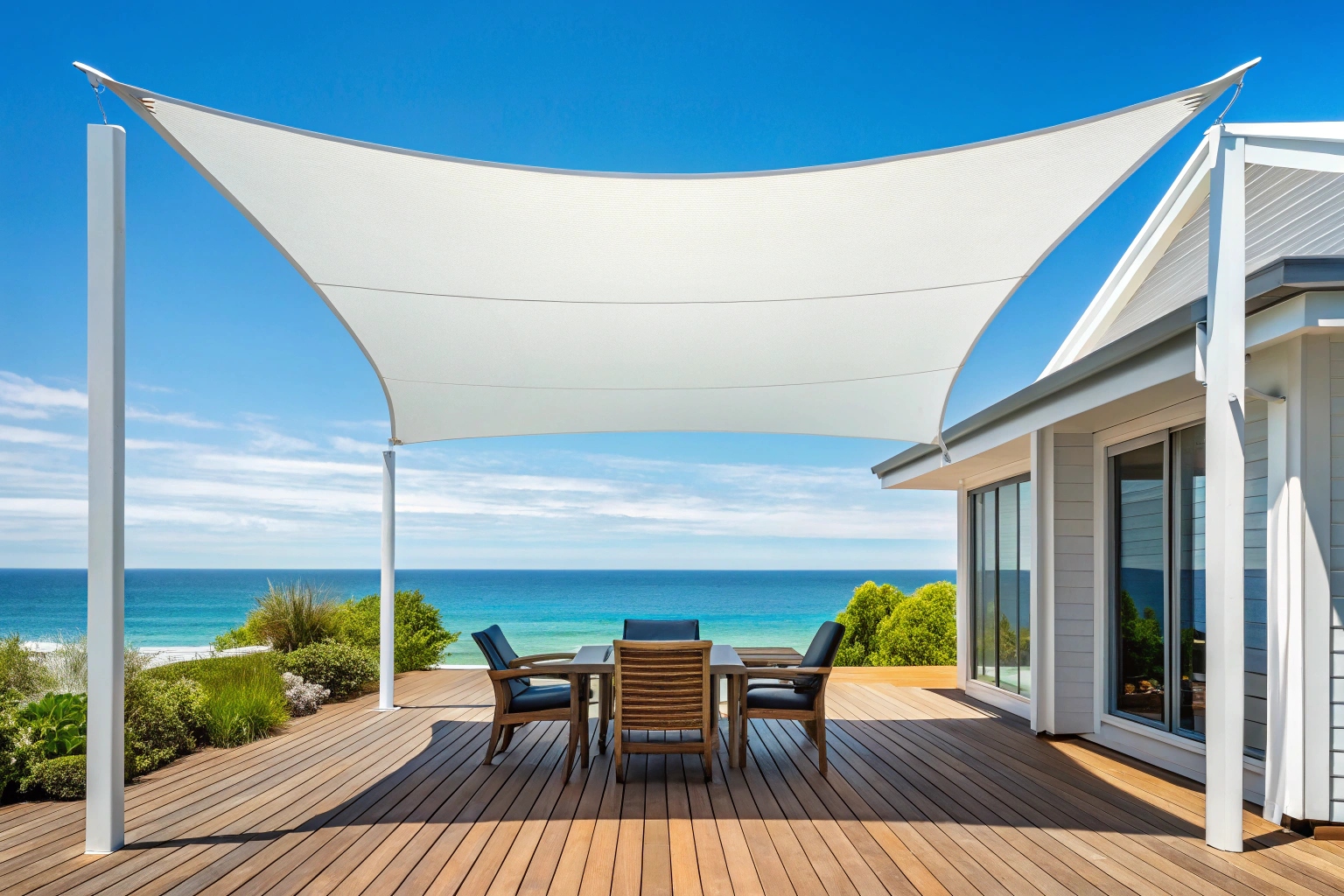
The Australian sun isn’t something you can ignore, especially here on the Central Coast where UV levels regularly hit extreme during summer months. Without proper shade coverage, your outdoor areas become unusable for large parts of the day – and that’s not just uncomfortable, it’s actually dangerous for extended sun exposure. We see this all the time with families who’ve invested thousands in beautiful decking or outdoor entertaining areas, only to realize they can’t use them during the times they’d want to most.
Here’s what proper shade structure installation actually delivers for your property. Quality shade structures with high UV-rated fabrics block up to 98% of harmful UV radiation, creating spaces where kids can play and families can gather safely. The temperature difference is massive too – a well-positioned shade sail or pergola can drop the temperature in your outdoor area by 10-15 degrees, which is the difference between enjoyable and unbearable on those 35+ degree Central Coast summer days.
Your outdoor season extends dramatically with the right shade. Instead of retreating indoors from October through March, you’re using your deck or patio year-round. That furniture you invested in? Shade structures protect it from fading and weather damage. Strategic shade that covers windows and glass doors can reduce your indoor cooling costs by 20-30% during summer.
Property value gets a boost too – buyers on the Central Coast specifically look for homes with quality outdoor entertaining areas that include proper shade solutions. With the right shade structure, your deck becomes usable for morning coffee, midday lunches, afternoon drinks, and evening dinners. That’s what we mean when we say shade structures extend your living area – they genuinely add functional square meters to how you use your home.

Shade Structure Types for Central Coast Properties
Choosing the right shade structure depends on your outdoor space, budget, and how you actually use your deck or patio. We install a range of shade solutions across the Central Coast, each with specific benefits for different situations.
Shade sails are probably the most popular option we install. They’re versatile, create a modern look, and can be configured in pretty much any layout to match your space. You can run single sails, multiple overlapping sails, or combine different heights for visual interest. They handle coastal winds well when properly engineered and tensioned.
Fixed pergolas give you that traditional coverage with a permanent structure. Timber pergolas suit heritage or cottage-style homes, while powder-coated aluminium or steel frames work with modern architecture. You can leave them open for dappled shade, add shade cloth, or fit polycarbonate roofing for weather protection.
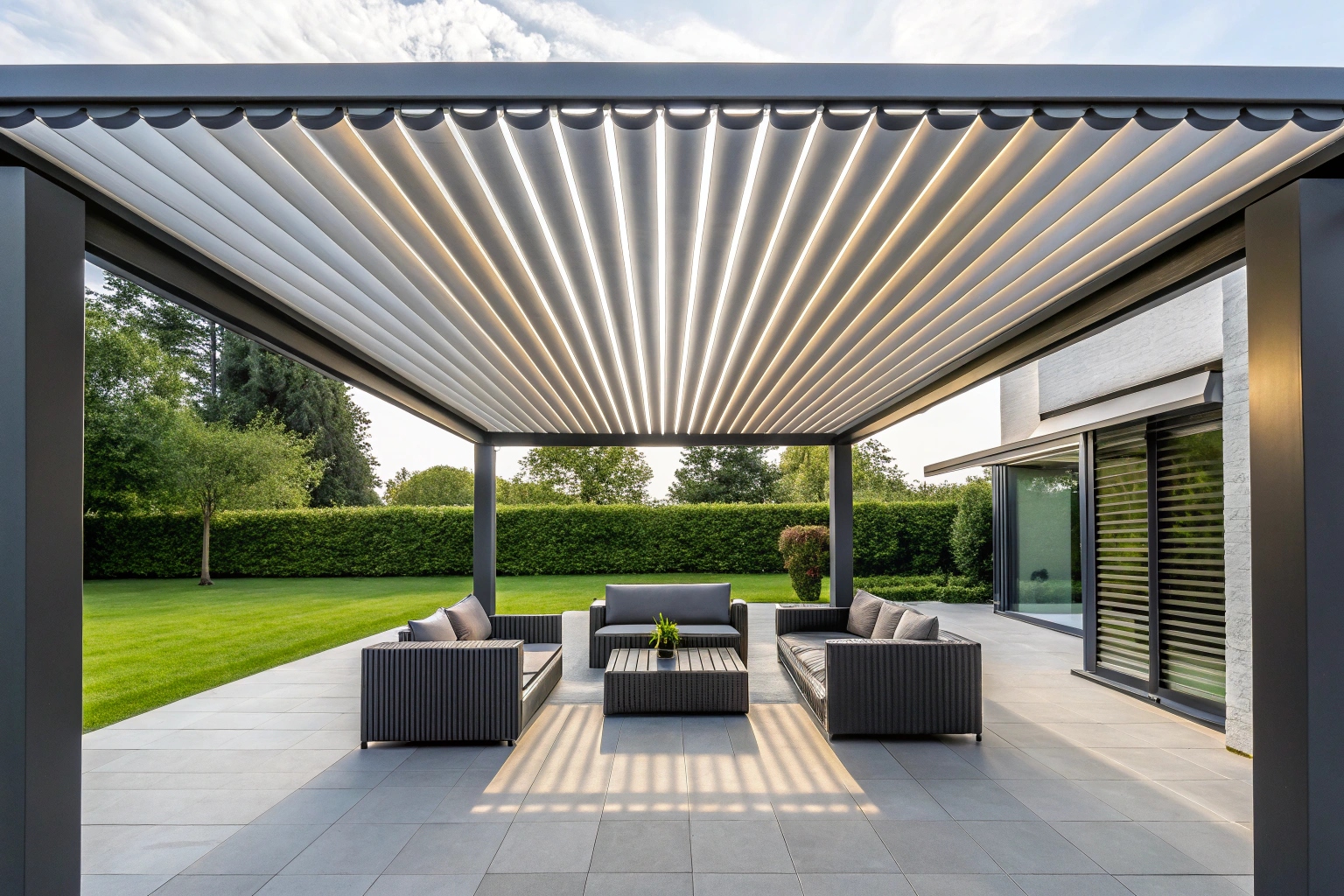
Louvred roof systems are the premium option – adjustable blades that let you control exactly how much sun or shade you want throughout the day. Open them up for breeze and stargazing, close them for full coverage. They’re fantastic but come with a higher price point.
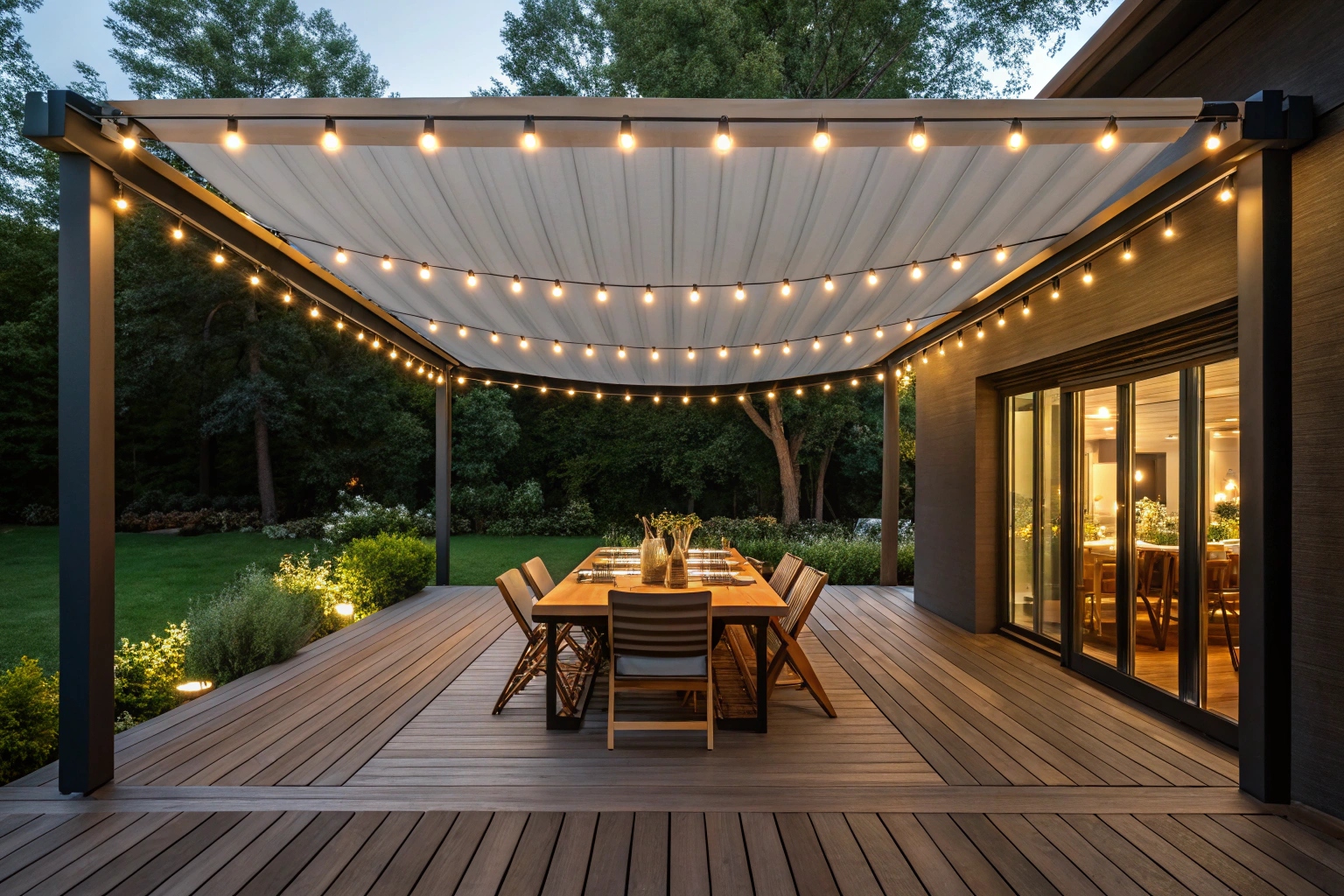
Retractable awnings work brilliantly for areas where you want shade flexibility. Extend them during hot afternoons, retract them for winter sun or when storms roll in. Motorised versions can be automated or controlled via smartphone.
Cantilever umbrellas provide movable shade without central posts getting in the way of your furniture layout. Great for pool areas or where you need flexibility.
We also design custom hybrid solutions – maybe a fixed pergola with retractable shade cloth panels, or shade sails combined with vertical screens for low-angle sun. Your property’s orientation, wind exposure, and how you use the space determines what works best. Some clients need morning shade over breakfast areas, others want afternoon coverage for western-facing decks. That’s why we do proper site assessments rather than cookie-cutter installations.
Materials & Features for Coastal Shade Structures
Material selection matters big time on the Central Coast. Salt air, high UV exposure, and seasonal storms mean you can’t just use any old materials and expect them to last. We’ve seen plenty of cheap shade installations fail within a couple years because corners were cut on materials.
Shade sail fabrics need proper UV ratings – we’re talking 95-98% UV block minimum. You’ll choose between waterproof PVC-coated fabrics that provide rain protection or breathable HDPE knitted fabrics that allow airflow and light rain to pass through. Breathable fabrics are better for ventilation but won’t keep you dry in heavy rain. Colours matter too – lighter shades reflect heat better, darker colours provide denser shade. Most quality fabrics come with 10-year warranties against UV degradation.
Frame materials depend on your aesthetic and budget. Timber frames create that natural, warm look that suits coastal properties beautifully, but require regular maintenance in salt air environments. Treated hardwood or cypress last longer than pine. Steel and aluminium structures offer modern lines with virtually zero maintenance – powder-coated finishes resist corrosion and come in heaps of colours to match your home. Stainless steel fixings and hardware are non-negotiable for coastal installations.
Polycarbonate roofing works great for pergolas when you want light transmission with weather protection. It blocks UV while letting natural light through, and handles hail better than glass.
For premium setups, motorised and automated options let you extend or retract awnings, adjust louvres, or control shade cloth with remote controls or smartphone apps. Some systems integrate with weather sensors that automatically retract awnings when wind speeds get dangerous.
The key is matching materials to your specific conditions – wind exposure, salt air proximity, and maintenance preferences all factor into what we recommend for your property.
Design Considerations for Central Coast Shade Structures
Getting shade structure design right means understanding how sun moves across your property throughout the year. Summer sun sits high overhead while winter sun comes in at lower angles. A shade structure that works perfectly in December might leave you exposed during March or April when sun angles change. We do proper sun path analysis during the design phase to position structures for maximum coverage during the times you’ll actually use your outdoor areas.
Wind considerations are massive on the Central Coast. Coastal properties cop prevailing winds that can turn poorly designed shade structures into sails – and not the good kind. We factor in wind direction, exposure levels, and local wind patterns when specifying anchor points, tension requirements, and structure heights. Some properties need wind breaks or strategic positioning to create protected zones.
Anchor point requirements determine what’s actually possible on your property. Shade sails need strong fixing points – either dedicated posts with proper footings, or attachment to existing structural elements like fascia beams or brick walls. Not every wall or post can handle the loads, so we assess what’s available and what needs to be added.
Balancing shade with natural light matters too. You want comfortable outdoor temps without creating dark, cave-like spaces. That’s where material selection, structure height, and orientation come together to give you coverage without losing that outdoor feel.
Your shade structure needs to integrate with existing structures – decking, pergolas, outdoor kitchens, or landscaping. We’re designing something that looks like it belongs rather than an afterthought bolted on later.
Central Coast Council compliance covers setbacks, height restrictions, and structural requirements. We handle this as part of the design process to avoid approval issues down the track.
Frequently Asked Questions About Shade Structure Installation
It depends on the size, height, and location of your shade structure. Smaller shade sails and structures under certain dimensions often don’t require approval, but anything substantial, close to boundaries, or above specific height limits will need council consent. We handle the council approval process as part of our service and let you know upfront what’s required for your specific installation.
Quality shade sails with high-grade UV-rated fabrics typically last 10-15 years on the Central Coast, even with salt air exposure. Cheaper materials might only give you 3-5 years before they start degrading. The frame and hardware – when we use stainless steel fixings and proper powder-coated posts – will outlast the fabric. Most clients replace fabrics once or twice over the life of the structure, which is straightforward and relatively inexpensive compared to the initial installation.
Absolutely, when they’re properly engineered and installed. We calculate wind loads specific to your property’s exposure and design anchor points, post sizing, and fabric tension to handle coastal weather conditions. Retractable systems should be retracted during severe weather warnings. Fixed structures like properly installed shade sails and pergolas are built to stay put through normal Central Coast storms. We’ve had installations survive years of coastal weather without issues because the engineering and installation were done right from the start.
Costs vary heaps depending on size, materials, and complexity. Basic shade sail installations might start around $2,000-$3,000 for smaller single-sail setups. Mid-range pergolas with quality materials run $8,000-$15,000. Premium louvred roof systems can reach $20,000-$40,000+ for larger areas. During your free consultation, we provide detailed quotes based on your specific requirements so you know exactly what you’re looking at before any work starts.
Shade sails offer modern aesthetics, flexibility in configuration, and generally lower costs. They’re great for properties where you want coverage without heavy structures. Pergolas provide more traditional looks, can support climbing plants, and offer options for solid roofing or adjustable systems. Your property’s style, budget, and how you plan to use the space all factor into the decision. We walk you through the pros and cons of each option during the design consultation based on your specific situation.
Yes, we regularly retrofit shade solutions to existing outdoor structures. Shade sails can be attached to existing pergola posts, retractable awnings can be mounted to existing fascia or beams, and shade cloth can be added to open pergola roofs. We assess your existing structure to make sure it can handle the additional loads and design solutions that integrate seamlessly with what you already have.
Get Your Free Shade Structure Consultation Today
Ready to transform your Central Coast outdoor area into a comfortable, usable space you’ll actually enjoy year-round? We provide free shade structure consultations and design quotes across Terrigal, Avoca Beach, Copacabana, Gosford, and throughout the Central Coast region.
During your consultation, we’ll assess your property’s sun exposure, discuss how you use your outdoor spaces, and recommend shade solutions that fit your needs and budget. Whether you’re looking at shade sails, pergolas, louvred systems, or custom designs, we’ll show you what works best for your specific situation.
Our installations are properly engineered for coastal conditions, use quality materials that handle salt air and UV exposure, and come with workmanship guarantees. No shortcuts, no surprises – just professional shade structure installation that protects your family and extends your outdoor living areas.
Contact us today for your free consultation and quote. Let’s create outdoor spaces on your Central Coast property that you can use and enjoy every day of the year.
